
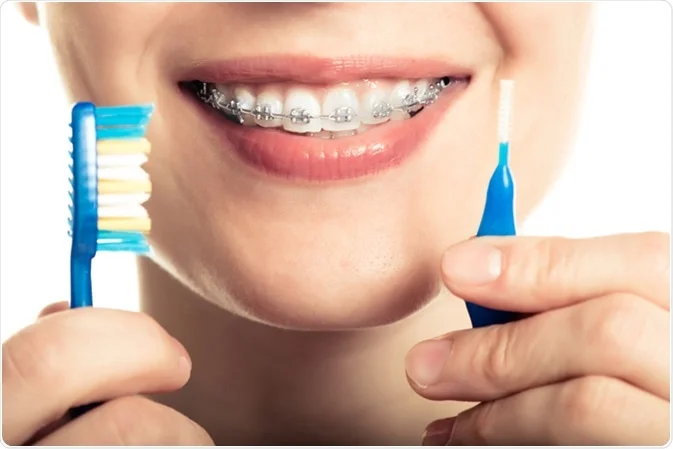
Understanding the Role of Orthodontics in Trauma Recovery
Dental trauma can strike at any moment, whether through sporting accidents, falls, or unexpected collisions. When teeth suffer displacement, fractures, or avulsion, the immediate concern centres on preserving the tooth and surrounding structures. However, many patients fail to realise that orthodontic intervention, particularly through the strategic use of braces, can play a pivotal role in the healing process. Modern orthodontic techniques have evolved far beyond simple cosmetic alignment, becoming essential tools in rehabilitating traumatised dentition and supporting the body’s natural healing mechanisms.
The relationship between orthodontic treatment and trauma recovery represents a fascinating intersection of biomechanics and biological healing. When dental injuries occur, the periodontal ligament—the connective tissue anchoring teeth to the jawbone—often sustains significant damage. This delicate structure requires careful management to heal properly, and orthodontic appliances provide the controlled environment necessary for optimal recovery. By stabilising injured teeth and guiding them back to their proper positions, braces Stoke-on-Trent provided by orthodontists can significantly enhance healing outcomes.
The Science Behind Orthodontic Stabilisation
Following dental trauma, immediate stabilisation becomes paramount. Orthodontic brackets and wires serve as sophisticated splinting systems that maintain teeth in their correct anatomical positions whilst the surrounding tissues repair themselves. Unlike traditional rigid splints, modern orthodontic appliances offer what dental professionals term ‘functional stability’ —they hold teeth securely whilst still permitting the micro-movements essential for healthy periodontal ligament regeneration. This balance proves crucial, as completely immobilising a traumatised tooth can actually impede healing and increase the risk of ankylosis, where the tooth fuses directly to the bone.
Research has demonstrated that orthodontic management of traumatised teeth produces superior long-term outcomes compared to many alternative approaches. The controlled forces exerted by braces stimulate cellular activity within the periodontal ligament, promoting the formation of new collagen fibres and supporting tissue remodelling. This biological response accelerates healing whilst simultaneously addressing any positional discrepancies that resulted from the injury itself.
Types of Dental Trauma Benefiting from Orthodontic Treatment
Luxation Injuries
Luxation injuries, where teeth are displaced but not completely knocked out, represent one of the most common forms of dental trauma. These injuries range from mild concussions to severe lateral luxations where teeth are pushed sideways into the surrounding bone.
Orthodontic intervention proves particularly valuable in these cases, as braces can gradually reposition displaced teeth whilst the supporting structures heal. The gentle, continuous pressure applied through orthodontic mechanics encourages bone remodelling around the repositioned tooth root, effectively recreating the natural architecture that existed before the injury occurred.
Root Fractures and Crown Damage
When trauma results in root fractures, the prognosis depends heavily on the location of the fracture and the speed of intervention. Orthodontic appliances can align fractured segments and maintain them in position during the critical healing period. The British Orthodontic Society’s guidelines for managing traumatised teeth emphasise the importance of proper stabilisation techniques, which braces provide with remarkable precision. This approach allows hard tissue to bridge the fracture gap, potentially saving teeth that might otherwise require extraction.
Long-Term Benefits of Orthodontic Intervention
Beyond the immediate stabilisation benefits, orthodontic treatment following dental trauma addresses complications that may emerge months or even years after the initial injury. Traumatised teeth frequently develop positional problems as they heal, leading to malocclusion that can affect bite function and jaw alignment. By initiating orthodontic treatment during the healing phase, practitioners can prevent these secondary complications before they become established. Studies published in leading dental journals have documented how early orthodontic intervention reduces the need for more invasive procedures later in life.
The psychological benefits warrant consideration as well. Dental trauma often affects visible front teeth, causing significant aesthetic concerns for patients. Orthodontic treatment not only restores function but also addresses cosmetic issues, helping patients regain confidence during their recovery journey. This holistic approach to healing recognises that successful trauma management extends beyond mere tooth preservation.
The Path Forward in Trauma Recovery
The integration of orthodontic treatment into dental trauma protocols represents a significant advancement in contemporary dentistry. By harnessing the power of controlled biomechanical forces, braces facilitate natural healing processes whilst simultaneously correcting positional abnormalities. For patients seeking braces, understanding these therapeutic applications highlights how orthodontic care extends far beyond cosmetic enhancement. When dental injuries occur, consulting with professionals experienced in trauma management ensures access to comprehensive treatment strategies that optimise both immediate recovery and long-term dental health outcomes.